Navigating the Future: How Emerging Technologies Are Reshaping Allied Health Jobs
Table of Contents
- Introduction
- Understanding Allied Health Jobs
- Role of Technology in Allied Health
- Emerging Technologies Transforming Allied Health Jobs
- Training and Education in the Era of Technological Advancements
- Future Outlook for Allied Health Jobs
- Conclusion
Introduction
In the dynamic landscape of healthcare, allied health professionals play a crucial role in delivering comprehensive patient care and rehabilitation services. As the healthcare industry continues to evolve, the integration of emerging technologies has become increasingly prevalent, reshaping the way allied health jobs are performed and enhancing patient outcomes. In this comprehensive guide, we will explore the impact of emerging technologies on allied health jobs today, from the fundamental understanding of these professions to the latest advancements shaping their future.
Understanding Allied Health Jobs
Allied health professions encompass a diverse range of healthcare roles that support and complement the work of physicians and nurses. These professions include physical therapists, occupational therapists, speech-language pathologists, dietitians, radiographers, and many others. Allied health professionals work across various settings such as hospitals, rehabilitation centres, clinics, schools, and community health organisations.
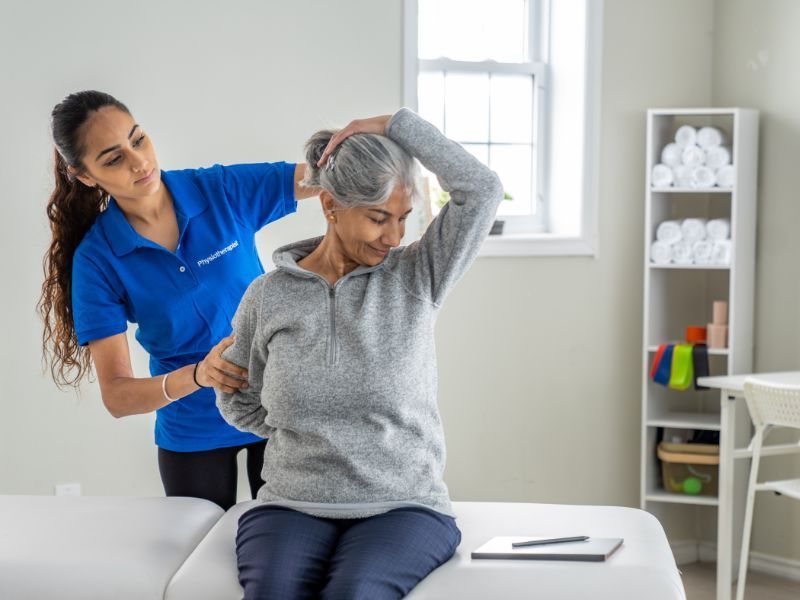
The roles of allied health professionals are diverse and multifaceted. For example, physical therapists focus on improving mobility and function through exercise and physical interventions, while occupational therapists help individuals regain independence in daily activities following injury or illness. Speech-language pathologists work with individuals with communication and swallowing disorders, providing assessment, diagnosis, and treatment services.
The significance of allied health professionals in healthcare cannot be overstated. They contribute to preventive care, diagnostics, treatment, and rehabilitation, playing a vital role in improving patient outcomes and quality of life.

Role of Technology in Allied Health
Traditionally, allied health professionals relied on manual techniques and analog tools to deliver patient care and rehabilitation services. However, the advent of technology has revolutionised the allied health landscape, offering new opportunities to enhance efficiency, accuracy, and patient engagement.
One of the key roles of technology in allied health is the facilitation of telehealth and remote monitoring services.
Telehealth platforms in Australia like My Mirror, Cliniko, Galaxy etc. enable allied health professionals to deliver care remotely, overcoming barriers such as geographical distance and mobility restrictions.
Remote monitoring devices allow for real-time tracking of patient progress and vital signs, enabling timely intervention and adjustments to treatment plans. These devices, including wearable fitness trackers, blood pressure and glucose monitors, and smart scales, enable continuous health data collection. This data informs tailored treatment plans, tracks progress, and ensures timely interventions for conditions ranging from diabetes to cardiovascular health.
Artificial intelligence (AI) and machine learning have also made significant contributions to allied health practice. AI-powered diagnostic algorithms can analyse medical imaging scans and clinical data to assist allied health professionals in diagnosing conditions and developing personalised treatment plans. Machine learning algorithms can predict patient outcomes and identify risk factors, informing preventive interventions and optimising care delivery.
Wearable devices and sensors play a crucial role in allied health monitoring and rehabilitation. These devices can track movement, heart rate, and other physiological parameters, providing valuable data for assessment and intervention. In rehabilitation settings, virtual reality (VR) and augmented reality (AR) technologies are used to create immersive environments for therapy and training, enhancing patient engagement and motivation.
Overall, technology has become an integral part of allied health practice, offering new possibilities for improving patient care and outcomes.
Emerging Technologies Transforming Allied Health Jobs
Telehealth and Remote Monitoring
Telehealth platforms, such as those offered by Teladoc Health, enable allied health professionals to provide virtual consultations and therapy sessions, expanding access to care for patients in remote or underserved areas. Meanwhile, Philips Healthcare is at the forefront of remote monitoring, offering devices that allow for continuous tracking of patient progress and vital signs. This facilitates proactive intervention and personalised care, demonstrating the critical role of technology in enhancing patient outcomes.
Artificial Intelligence (AI) and Machine Learning
AI-powered diagnostic tools, exemplified by IBM Watson Health, can analyse medical images and clinical data, assisting allied health professionals in making accurate diagnoses and developing tailored treatment plans. Similarly, Google Health leverages machine learning algorithms to predict patient outcomes and identify patterns in large datasets. This informs clinical decision-making and optimises care delivery, highlighting the transformative impact of AI and machine learning in healthcare.
Wearable Devices and Sensors
Wearable devices, such as those from Fitbit (now part of Google) and Garmin, enable allied health professionals to monitor patients' movements, activity levels, and physiological parameters remotely. Additionally, sensors embedded in rehabilitation equipment provide real-time feedback and data analytics, guiding personalised therapy programs and tracking progress over time. This technology supports a more integrated approach to patient care, bridging the gap between clinical settings and everyday life.
Virtual Reality (VR) and Augmented Reality (AR)
VR and AR technologies, brought to life by companies like Oculus (part of Meta Platforms) and Microsoft HoloLens, create immersive environments for rehabilitation and training. These tools enhance patient engagement and motivation by offering realistic simulations and interactive experiences. Allied health professionals can use these technologies to practise clinical skills, explore anatomy and physiology, and develop innovative treatment approaches, thus paving the way for more dynamic and effective therapeutic interventions.
Through these examples, it's evident that emerging technologies, powered by leading brands and companies, are significantly transforming allied health jobs. By adopting these innovations, allied health professionals can enhance care delivery, improve patient outcomes, and meet the evolving demands of the healthcare landscape.
Training and Education for Allied Health in the Technological Era
In the rapidly evolving landscape of healthcare technology, education and training have become pivotal for those seeking or advancing in allied health jobs. To remain competitive and effective allied health professionals must keep pace with technological advancements, mastering new tools and methodologies that are reshaping patient care.
A wealth of professional development programs and continuing education opportunities are available across Australia, specifically tailored to enhance the technological competencies required for allied health jobs. These resources, offered by esteemed organisations such as Allied Health Professions Australia (AHPA) and regulated by the
Australian Health Practitioner Regulation Agency (AHPRA), span vital areas including telehealth, AI and machine learning, wearable technology, and the innovative use of VR/AR in healthcare.
Moreover, for those aspiring to enter or excel in the
allied health jobs market, Australian academic institutions are integrating cutting-edge technology into their curricula. This approach ensures that future professionals are not only theoretically knowledgeable but also practically adept at using telehealth platforms, AI algorithms, wearable devices, and VR/AR simulations. Such hands-on experience is invaluable, equipping students with the skills necessary to succeed in allied health jobs within today's technology-driven healthcare environment.
By engaging with these professional development and educational avenues, individuals in allied health jobs can significantly enhance their technological literacy. This not only aids in their personal career growth but also contributes to the broader goal of delivering superior patient care through the adoption of advanced healthcare technologies.
Future Outlook for Allied Health Jobs
As technology continues to advance, the future of allied health jobs looks promising yet challenging. Allied health professionals will play an increasingly vital role in leveraging emerging technologies to improve patient outcomes, enhance efficiency, and drive innovation in healthcare delivery.
However, with the adoption of new technologies comes the need for ongoing adaptation and learning. Allied health professionals must remain flexible, proactive, and open to lifelong learning to stay at the forefront of their field. By embracing technology and continuously refining their skills, allied health professionals can navigate the evolving healthcare landscape with confidence and competence.
Conclusion
The integration of emerging technologies has transformed the allied health landscape, offering new opportunities for improving patient care, enhancing efficiency, and driving innovation. From telehealth and AI diagnostics to wearable devices and VR/AR therapy, technology has become an integral part of allied health practice. As allied health professionals embrace these advancements and invest in their training and education, they are poised to thrive in an increasingly digital healthcare environment, delivering high-quality, patient-centred care that meets the needs of today and tomorrow.
Dive into exciting allied health job opportunities across Australia and elevate your career with us now!