
What do you need to excel in your medical job search?
Searching for a job can be a stressful process, even for the most seasoned medical professionals. Whether it’s whipping up an appropriate and attractive CV or preparing for those challenging clinical-scenario based interviews, a lot goes into the job-search process.
That’s why we’ve crafted a list of critical tips – What do you need to include in your resume? And what interview questions should you be prepared for? Let’s take a look.
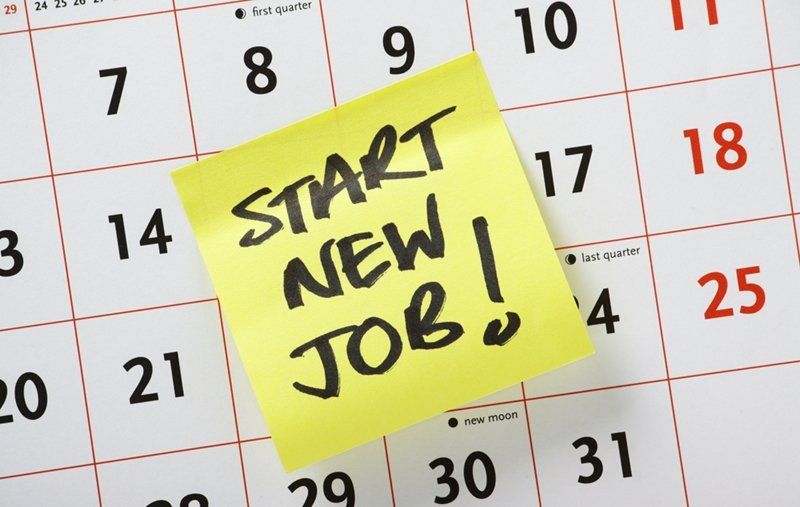
It all starts with crafting the perfect CV. Generally speaking, all medical CVs include 7 key areas.
- Personal information – The header of your CV should always include your name, contact information and abbreviated qualifications.
- Career objectives – We recommend that you include a personal statement that clearly states where you want to go in your medical career and how you want to do it. Keep this statement short and to the point.
- Education – Employers will be looking to see your education details. Where did you attend Uni? What did you specialise in? While education details are useful for every profession, they are of particular importance for professionals entering the medical field.
- Relevant experience – Make sure to list and explain your experiences relevant to the position. This includes explaining your current and past positions in detail. Did you hold the same job at another hospital? What were your responsibilities?
- Specialist skills and procedures – This area is critical when it comes to your current medical skills and use of medical technology. It is important to list the specialist skills that you are comfortable with performing independently as well as those which you wish to be observed during by a supervisor. Make sure to include what recent medical technology you are confident using as well.
- Continued medical education – As a medical doctor it is vital to showcase your commitment to continued professional development and highlight what medical courses, as well as specialist training workshops you may have attended. Are you currently enrolled in a course? Will you be advancing your specialisation while working?
- Research and publications – Your CV is a chance to show off your major accomplishments. If relevant, you should share your research and publications as well as any awards you have achieved in your field.
- References – All good CVs have an area dedicated to references. General best practice dictates you should have at least three. Make sure to include a full list of contact details.
The interview process
That stellar CV has landed you an interview! Now it’s time to prep. Whether you are a junior doctor facing your first medical interview or an experienced physician interviewing for a more specialised role, it is essential to prepare for some of the most common interview questions and practice your answers. This will help you respond with confidence and relative ease the day of the interview.
Don’t be afraid to come with some notes in hand to remind you of the key points you want to get across. So – what are some of the questions you can expect in an interview for a medical position? Let’s take a look.
It’s always useful to brainstorm some of the most common interview questions.
1. Why did you choose to become a doctor?
This question is a staple in nearly all medical interviews. While it doesn’t pertain directly to your skills, it does give some insight about your passion. Working in the medical field is a serious commitment and your potential employer will want to know what sparked your interest – be ready to answer this honestly and openly.
2. What do you see as the key challenges in your field? How do you address them?
This question gives you the opportunity to display your knowledge in your specialist area of medicine while explaining how you approach your position creatively despite these challenges. You can demonstrate your initiative with concrete examples and have a thoughtful conversation about wider industry solutions.
3. What are your standout skills as a physician?
Every doctor has something that makes them stand out from the crowd. Are you known for your calm and composed bedside manner? Do you excel at building relationships with your patients? Make sure you come to the interview with some defining traits in mind.
4. How do you handle high-pressure environments?
It’s no secret that the medical world can be stressful at times. Most employers will want to hear how you handle instances of intense pressure. Be sure to provide concrete examples of how you have navigated these scenarios in the past.
5. Role Play Clinical Scenarios – What are key areas of ‘good medical practice’ you are likely to be assessed for?
While this isn’t exactly a singular question, it is something critical to keep in mind for the interview process. Almost every doctor’s interview will present interviewees with high pressure role play clinical scenarios. They are designed to assess your specialist knowledge, communication skills and all-round ‘good medical practice’ standards when managing a patient, or dealing with a conflict situation.
The panel may focus on assessing your physical examinations skills, clinical judgement, communication, procedural skills and professionalism. (To learn more about these and other individual assessment areas – check out our free whitepaper).

Need some help? Careers Connections has you covered
Here at Careers Connections we are committed to helping our clients through every step of the medical recruitment process. Each of our team members has years of recruitment experience in their Medical Recruitment Specialty to ensure you not only land the interview but score the perfect job for you.
Excited to get started? We are too. Reach out to one of our team members today to learn more!