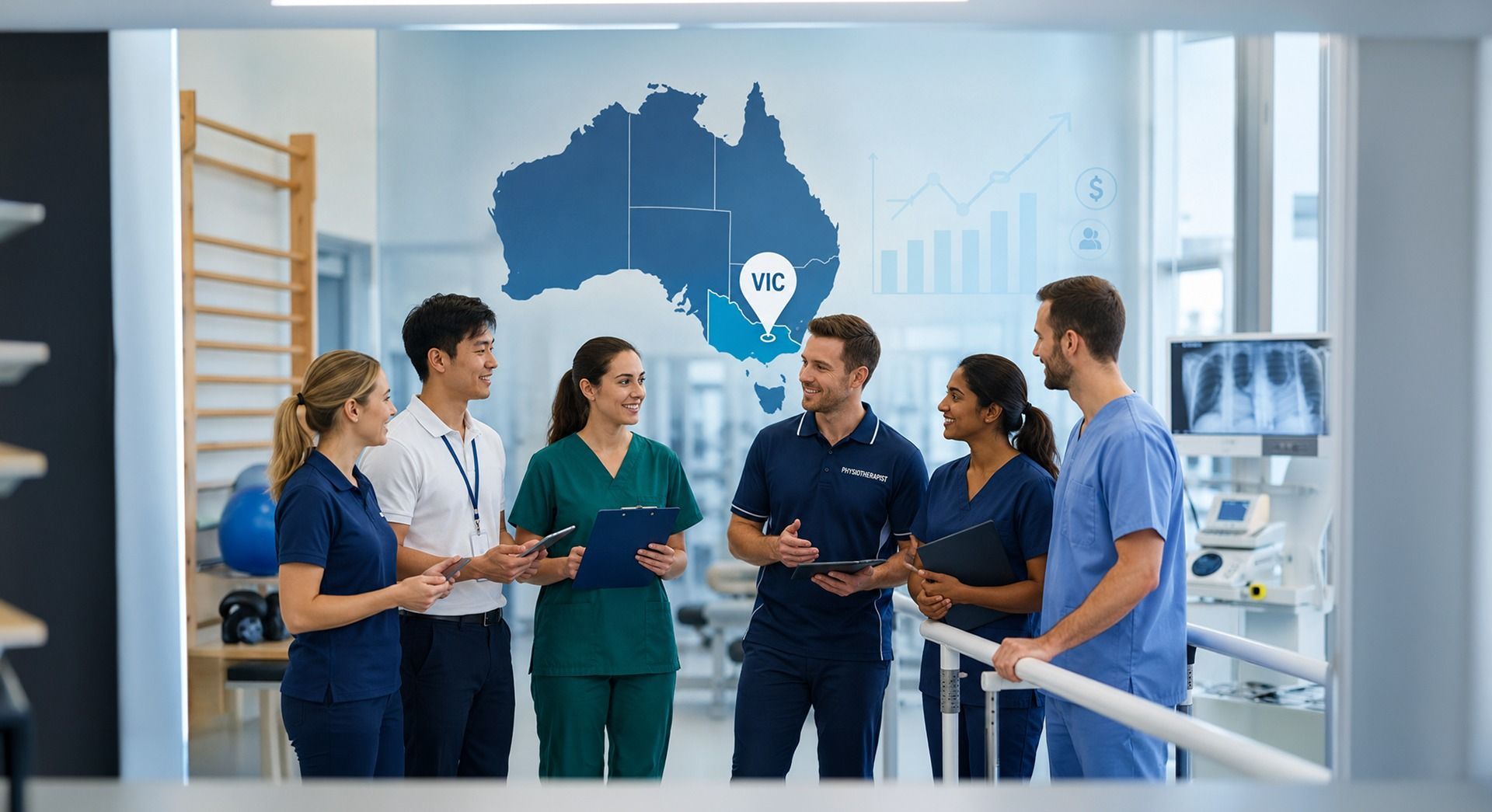
When Healthcare Communities Need Extra Support: Why Australia's Mobile Workforce Matters
When a hospital comes under extraordinary pressure, the impact reaches far beyond bed numbers, rosters and workforce statistics.
It affects healthcare professionals working longer and harder to maintain patient care. It affects patients waiting for treatment. And it affects families and communities relying on their local health services when they need them most.
Recent events in the Northern Territory have provided a very real example of why having a flexible and mobile healthcare workforce matters.
In August, Royal Darwin Hospital and Palmerston Regional Hospital were operating under a Code Yellow following sustained high patient demand.
NT Health issued a call for additional qualified healthcare professionals to help relieve frontline teams, seeking up to 57 nurses, midwives and pharmacists for short-term support, including 20 emergency nurses.
NT Health's acting chief executive said frontline staff had been under "immense pressure", with fatigue setting in, and described providing staff with respite as the organisation's number-one priority.
The situation highlights a much bigger workforce question:
When one part of Australia's healthcare system experiences exceptional demand, how can we get experienced healthcare professionals where they're needed?
Healthcare Recruitment Is About More Than Filling Vacancies
At CC Medical, we work every day connecting healthcare professionals with opportunities across Australia.
But behind every placement is something bigger.
There's a hospital that needs another experienced clinician.
There's a healthcare team that needs additional support.
And ultimately, there's a community that needs access to healthcare.
That's particularly evident during periods of exceptional demand.
Permanent healthcare workforces are the foundation of Australia's health system. Long-term workforce planning, training, retention and investment are essential to building sustainable health services.
But healthcare demand isn't always predictable.
Patient numbers fluctuate. Seasonal pressures occur. Existing staff need leave. Vacancies arise. New services and additional hospital capacity open.
And sometimes health services experience periods when they simply need additional people.
That's where Australia's mobile healthcare workforce can play an important role.
The Other Side of Healthcare Workforce Flexibility
Healthcare professionals often choose contract, agency and locum work because of the flexibility it can provide.
It can offer the opportunity to experience different hospitals, work in different clinical environments, explore another part of Australia or structure work around personal and professional goals.
But there's another side to that flexibility that isn't talked about nearly as much.
The ability to take your skills somewhere else for a period of time means you can potentially support a healthcare service and community when they need additional capacity.
For a nurse, midwife, doctor or allied health professional, a contract might represent the next step in their career.
For the receiving healthcare service, that same person can represent another experienced clinician joining the team.
That matters.
Why Simply Moving Existing Staff Isn't Always the Answer
The recent Northern Territory situation also demonstrates the complexity of responding to workforce shortages.
The Australian Nursing and Midwifery Federation welcomed the call for additional workers but raised concerns that redeploying healthcare professionals from other areas could potentially create shortages elsewhere.
It's an important point.
Australia can't simply move shortages from one hospital, department or community to another.
Long-term solutions require investment in permanent workforces, training, retention and workforce planning.
But a national pool of healthcare professionals who are willing and able to work temporarily in different locations can provide another source of workforce capacity.
That doesn't replace permanent recruitment.
It complements it.
And in a country as geographically large as Australia, that mobility can be particularly valuable.
Sometimes Your Next Contract Can Mean Something More
Healthcare professionals understandably consider many factors when choosing their next opportunity.
Where will I be working?
What will I earn?
What experience will I gain?
How long is the contract?
Will travel or accommodation be provided?
What will the lifestyle be like?
They're all important questions.
But there's another question worth considering:
Where could my experience be most valuable right now?
For some healthcare professionals, working somewhere different isn't only an opportunity to see another part of Australia or develop professionally.
It can also be an opportunity to take years of experience and use it in a healthcare community that genuinely needs additional support.
That could mean working in a major regional hospital.
It could mean supporting a rural or remote health service.
Or it could mean joining a metropolitan or regional team experiencing an unusually high period of demand.
It doesn't mean every healthcare professional needs to travel.
But for those who have the flexibility and desire to do so, Australia's mobile healthcare workforce has the potential to make a meaningful contribution.
Supporting the People Who Are Already There
There's another important part of this conversation.
When we talk about healthcare workforce shortages, it's easy to focus entirely on vacant positions.
But there are already healthcare professionals inside these hospitals doing the work.
During the recent Northern Territory Code Yellow, one of the major concerns raised was fatigue among existing frontline teams.
Bringing additional healthcare professionals into an overstretched service isn't simply about adding another name to the roster.
Additional workforce capacity can help distribute workload and support the teams already caring for patients.
In fact, following the NT Health call-out, more than 30 staff responded and helped during the period of exceptional demand.
That is perhaps one of the clearest examples of why workforce mobility matters.
Sometimes helping a healthcare community means helping the healthcare professionals who are already there.
Building Capacity for the Future
There are positive developments happening too.
Royal Darwin Hospital has now opened a new $24 million, 32-bed multi-purpose ward, with all beds expected to become available during September. A further 24-bed mental health facility is also expected to open, providing additional capacity within the hospital system.
Infrastructure like this is important.
But hospital capacity isn't created by beds alone.
Healthcare infrastructure ultimately needs healthcare professionals.
Doctors, nurses, midwives, allied health professionals, pharmacists and the many other people involved in delivering patient care are what turn additional physical capacity into healthcare capacity.
That makes attracting, developing and retaining healthcare professionals — while also having the ability to respond flexibly when demand changes — an important part of Australia's healthcare future.
Connecting Healthcare Professionals With Communities That Need Them
At CC Medical, we believe healthcare recruitment is ultimately about people.
It's about understanding what healthcare professionals want from their careers and connecting them with opportunities that make sense for them.
But it's also about understanding what hospitals, health services and communities need.
Sometimes those two things come together in a powerful way.
A healthcare professional gets to experience somewhere new, expand their clinical experience and take the next step in their career.
At the same time, a healthcare service gains an experienced professional who can contribute to its team and the community it serves.
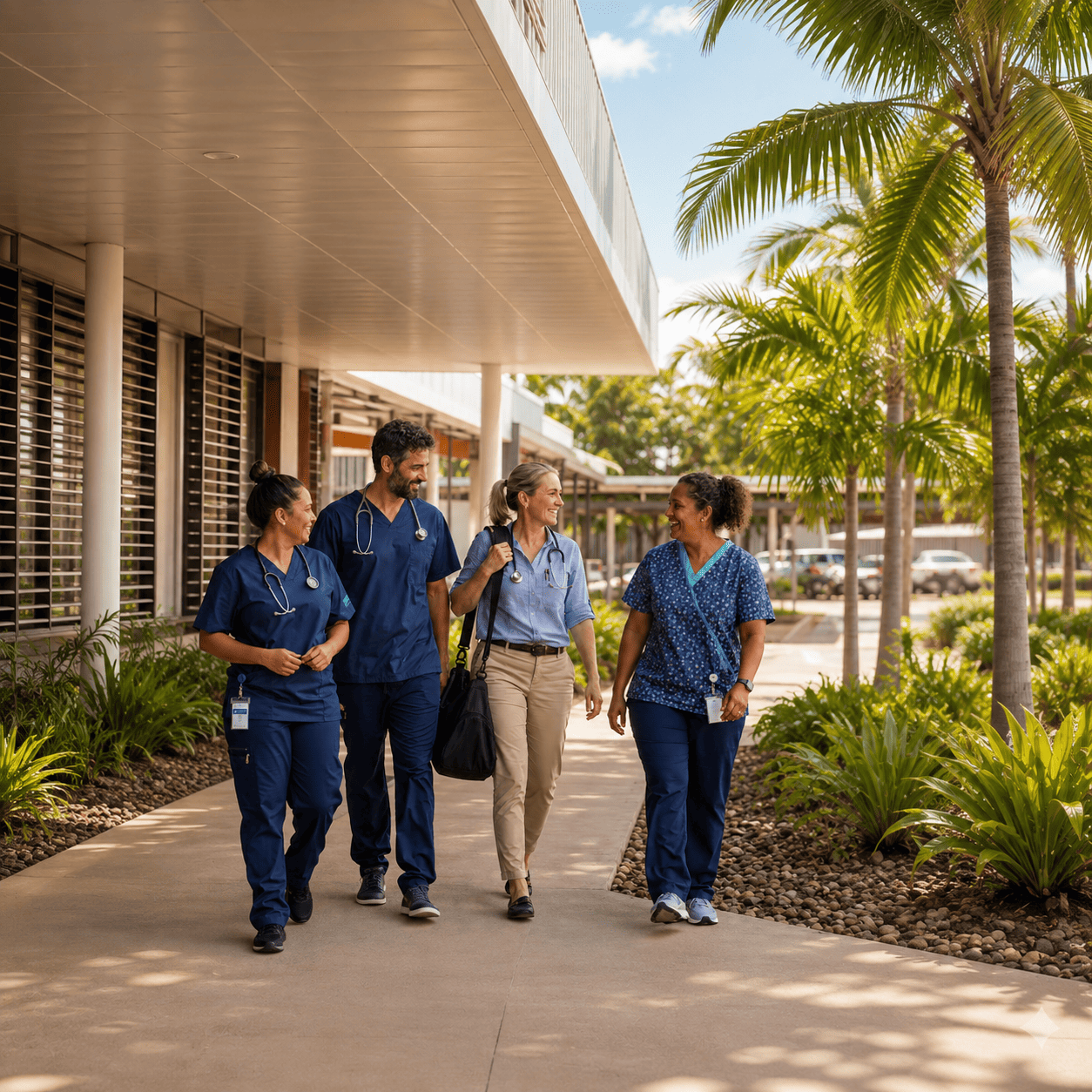
That's why we believe Australia's mobile healthcare workforce matters.
Because behind every successful healthcare placement is more than a vacancy being filled.
There's a team being supported.
There's a patient receiving care.
And there's a community relying on its healthcare system.
Could Your Skills Make a Difference Somewhere New?
If you're a healthcare professional considering contract, locum or permanent opportunities across Australia, CC Medical can help you explore where your experience is needed and find opportunities that suit your career, lifestyle and goals.
Explore opportunities with CC Medical and discover where your skills could take you next.